Knowing how to prepare your roof for hurricane season starts with one simple truth: most roof failures during a storm come from small, existing weaknesses rather than one catastrophic gust. A lifted shingle edge, a clogged gutter, or a loose flashing strip gives wind exactly the opening it needs.
Our crews at LePierre Roofing have inspected roofs before and after Northeast Florida storms for more than 40 years, and we see the same preventable damage repeat year after year. This checklist walks through what to check, when to check it, and what genuinely moves the needle once the wind picks up.
Key Takeaways
- Schedule your pre-season roof inspection in late spring, before hurricane season begins on June 1, rather than after a storm is already forecast.
- Hurricane straps and clips connect your roof structure to your home’s walls, and they matter most on older homes built before Florida’s modern wind-uplift codes.
- Clean gutters, secured outdoor items, and trimmed trees reduce storm damage risk just as much as the roof itself.
- A newly installed roof still needs correct installation to meet Florida’s current wind codes; it doesn’t become hurricane-proof automatically.
- Most reputable roofing contractors offer pre-season inspections at no cost.
Timing Your Pre-Storm Inspection
Florida’s hurricane season runs from June 1 through November 30, with peak activity typically arriving in August, September, and October. (According to the National Hurricane Center, storm activity tends to intensify sharply during this stretch.) The ideal inspection window falls in April or May, early enough to schedule any repairs before contractors get booked solid with storm-damage work, yet late enough that winter wear already shows.
Waiting until a storm appears in the forecast puts you in a tough spot, since contractors book up fast and little time remains for anything beyond emergency tarping. An early inspection gives you real options, while a last-minute one leaves you with whatever’s available. If it has been a while since your last checkup, our guide on the signs you need roof repair in Fernandina Beach is a good place to start.
What a Thorough Pre-Storm Inspection Covers
A real inspection looks well beyond whether your roof “looks fine” from the driveway. Here’s what our team checks on every visit across Fernandina Beach, Yulee, and the surrounding area.
Shingle and Flashing Condition
Lifted, cracked, or missing shingles create the most common starting point for wind damage, since wind that gets under one edge can peel back an entire section. We check flashing around chimneys, vents, and skylights separately, because these spots leak even on otherwise healthy roofs. Left unaddressed, this kind of damage is exactly what turns into an emergency roof repair call once a storm arrives.
Attic and Roof Deck Moisture
From inside the attic, we look for water staining, soft spots, or daylight coming through anywhere it shouldn’t. Hurricane-level rainfall makes existing moisture problems significantly worse, so catching them early keeps a manageable repair from becoming an emergency.
Gutters and Downspouts
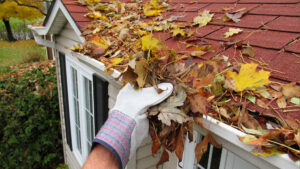
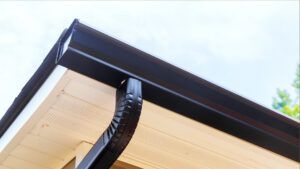
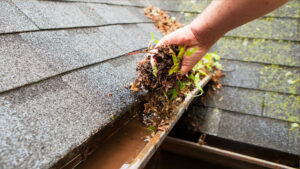
Clogged gutters do more than overflow. They add weight, push water back under roofing material, and can pull away from the fascia in high wind. Clearing debris and confirming downspouts direct water away from your foundation takes little effort and prevents outsized damage. If your gutters are already pulling away from the fascia or overflowing during normal rain, it’s worth having our team take a look at gutter installation and repair before storm season, not after.
Roof-to-Wall Connections
This piece gets overlooked most often, and it matters more than many homeowners realize.
Hurricane Straps and Clips Explained
Hurricane straps, sometimes called hurricane clips or tie-downs, physically anchor your roof trusses to the top of your exterior walls. Without them, extreme wind uplift can separate the roof structure from the walls, which creates a structural failure rather than a simple roofing problem.
Homes built or re-roofed under Florida’s modern building code, especially after updates following major storms, generally include these connectors as a code requirement. Older homes, particularly those built before the mid-1990s, often lack them or carry an older, less robust version.
Retrofitting hurricane straps makes sense for many older Northeast Florida homes, and our team regularly recommends this upgrade during pre-season inspections in historic parts of Fernandina Beach and Amelia Island. Since this counts as a structural upgrade rather than a material upgrade, contractors typically handle it during a roof replacement or as its own standalone project.
Does a New Roof Guarantee Hurricane Protection?
A new roof meets Florida’s wind-uplift and underlayment requirements for our coastal zone only when installed correctly. If installers skip code-required elements, like enhanced nailing patterns or secondary water barriers, the roof won’t perform the way its wind rating suggests. This is exactly why a licensed, code-compliant contractor matters more than the shingle brand printed on the box. If you’re weighing the investment, our breakdown of what roof replacement costs Fernandina homeowners should expect covers what actually drives the price.
How to Prepare Your Roof for Hurricane Season: A Homeowner Checklist
Beyond a professional inspection, you can take several steps yourself in the weeks before a storm arrives.
- Trim overhanging tree branches, since falling limbs cause some of the most common storm damage.
- Clear gutters and downspouts of leaves and debris.
- Secure or store loose outdoor items, because patio furniture and planters become projectiles in high wind.
- Check attic ventilation for early signs of leaks before the season starts.
- Photograph your roof from the ground on all sides, which becomes valuable documentation for any future insurance claim.
- Confirm your policy details, including your windstorm deductible, before hurricane season begins rather than after a claim is already underway.
What to Do Once a Storm Is Tracking Toward You
Once a storm heads toward Northeast Florida with a few days’ notice, shift into final prep mode.
- Schedule an emergency inspection only if you already suspect damage or vulnerability; otherwise, trust the inspection you already completed.
- Remove and store patio furniture, grills, and yard decorations.
- Stay off the roof in the days leading up to a storm, and call a licensed contractor if something looks wrong.
- Confirm your plan for temporary tarping in advance, since knowing who to call saves critical time afterward. Our storm damage repair team handles exactly this kind of emergency response.
The Value of a Free Pre-Season Inspection
Most established roofing contractors, including LePierre Roofing, provide pre-season inspections at no cost. The inspection itself carries no obligation to complete repair work. Instead, it gives you a clear, written picture of your roof’s condition heading into hurricane season, so you make any decisions about reinforcement or repair on your own timeline.
Schedule Your Free Storm-Ready Roof Inspection
Hurricane season doesn’t wait for a convenient time, so the smartest move is getting ahead of it now. LePierre Roofing has protected Fernandina Beach, Yulee, and Amelia Island homes through decades of Florida storm seasons, and our team can identify vulnerabilities long before a forecast forces the issue. Visit our storm damage repair page or schedule your free estimate to book your pre-season inspection. You can also call (904) 277-3000.
Frequently Asked Questions
When should I have my roof inspected before hurricane season in Florida? Late spring, ideally April or May, gives you the best window, since it falls before hurricane season officially begins on June 1 and leaves time to schedule any needed repairs before contractor schedules fill up with storm-related work.
What do roofers check during a pre-storm roof inspection? A thorough inspection covers shingle and flashing condition, attic and roof deck moisture, gutter and downspout function, and the condition of roof-to-wall connections like hurricane straps, especially on older homes.
Do hurricane straps and clips really protect my roof? Yes. Hurricane straps anchor your roof structure to your home’s walls, which prevents wind uplift from separating the two during extreme wind events. They matter most on homes built before modern Florida wind-uplift codes became widely enforced.
What simple steps can homeowners take to prepare a roof for a hurricane? Trim nearby tree branches, clear gutters and downspouts, secure or store loose outdoor items, and photograph your roof from the ground for insurance documentation before storm season begins. The Ready.gov hurricane preparedness guide covers the rest of your home and family plan beyond the roof.
Will a new roof in Florida automatically meet hurricane wind codes? Only when a licensed contractor installs it correctly, following current Florida Building Code requirements. Materials matter, but proper installation, including nailing patterns, underlayment, and flashing, determines real-world wind performance.
Is a pre-season roof inspection free? Most reputable local roofing contractors, including LePierre Roofing, offer free pre-season inspections with no obligation to move forward with any recommended work.